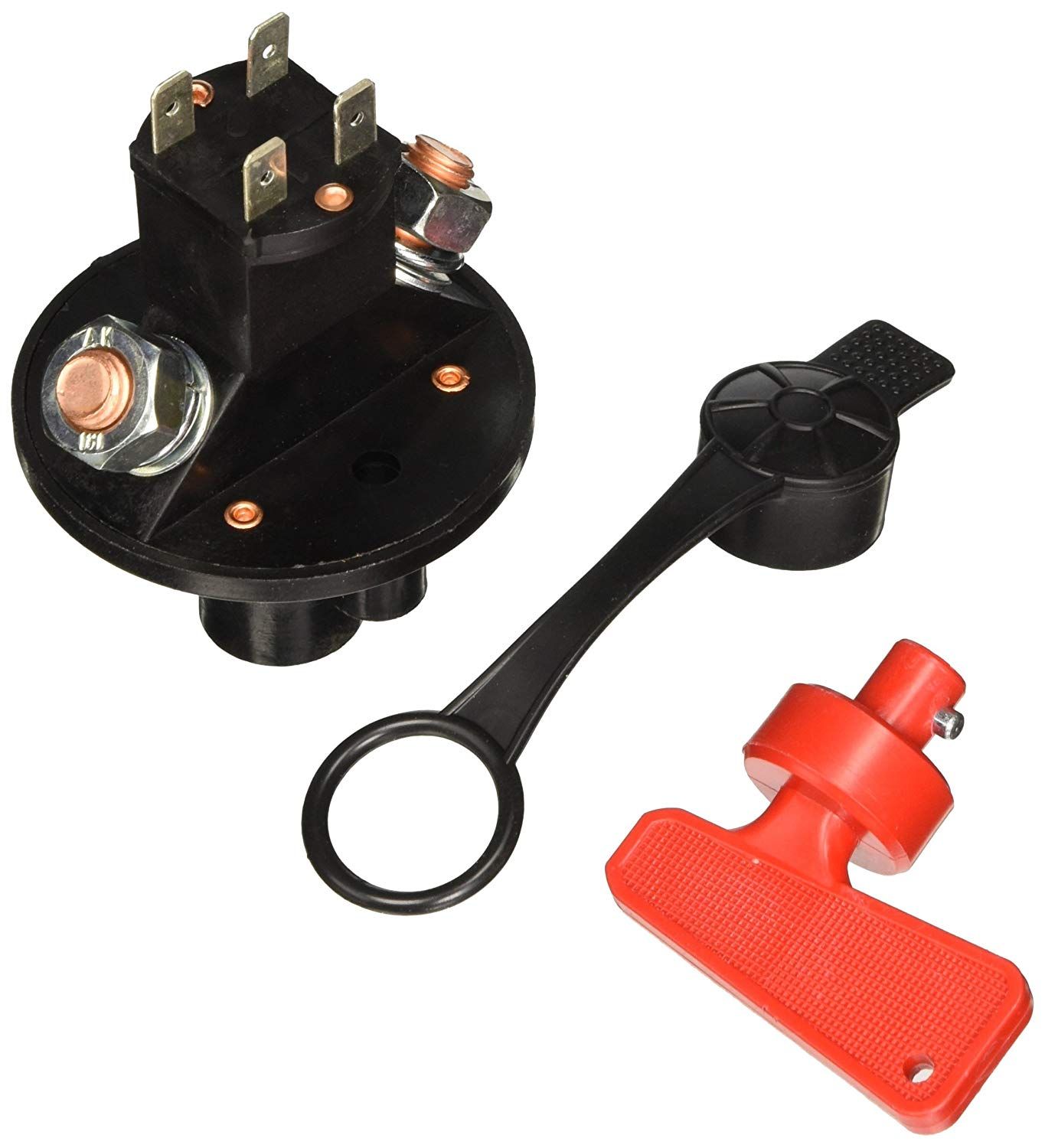
Just be careful when making any connections to house batteries.
Rv battery disconnect switch installation positive or negative.
In case your rv does not have one you can opt for an aftermarket rv battery disconnect switch installation.
To answer your questions.
As i was considering this it came to mind that somewhere i had read and or heard that the switch in this type of circuit should be on the positive side.
There s a more practical reason the negative post is more accessible and it doesn t have the extra hot wires going to the positive battery clamp to deal with.
If the geometry of the situation forces you to put it on the positive terminal that works just as well.
It s a class c mh so no 5er or tt issues.
I plan on installing a battery disconnect switch on our bc this spring when i bring it out of storage.
Well if the electrons are flowing from the positive to the negative and some are getting used up by the starter and or the system so there should be less going back into the battery.
Thus less amps on the switch.
The switch disconnects the battery s electrical power or isolates from the house portion of your rv.
The negative cable connects to the body ground already so there s no additional danger if it rubs.
If your battery bank is floating not tied to any sort of safety frame ground in theory you want a double pole switch that turns off both and power at the same time.
To wrap it up usually the best place to install a battery disconnect switch is at the negative battery terminal where it connects to the chassis.
Typically the battery disconnect switch is designed to disconnect the house batteries similar to pulling the negative cable off the battery so nothing can drain it when the unit is not in use or in storage.
My first inclination was to put the switch on the negative leg of the circuit.
I did install a disconnect switch on the house battery negative terminal and will probably do the same on the chassis batteries.
I say negative and heres why.
This essentially adds a on off switch to the positive line going from the battery to the camper so when turned to off the camper devices do not continue to draw from the battery.
The battery system has the bim battery isolation manager on a separate fuse and relay panel.
Spotting the switch in the rv is quite easy.
So you re less likely to have the shower of sparks when disconnecting the switch since you re further away from the fender well sheet metal.
If your system has the battery negative tied to earth safety ground or frame ground of a vehicle then you want the switch in the positive leg.
For our application yes the positive terminal of the battery was connected to the disconnect switch and then the camper positive was also connected to the other pole.