Below is a list of hummingbirds adaptations and an explanation of how this advancement aids them in their daily life.
Ruby throated hummingbird behavioral adaptations.
Hundreds of kinds of hummingbirds nest in the american tropics and more than a dozen in the western u s but east of the great plains there is only the ruby throat.
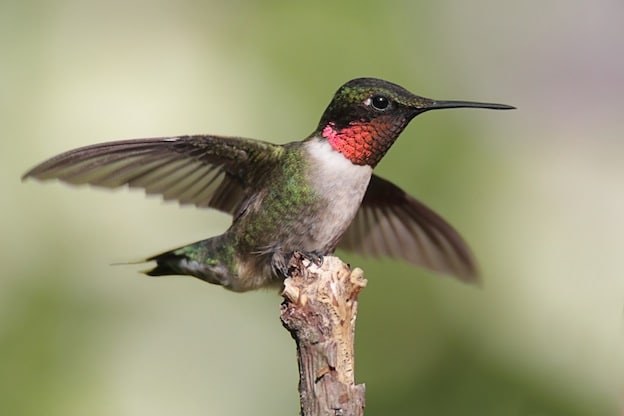
A flash of green and red the ruby throated hummingbird is eastern north america s sole breeding hummingbird.
They will often remain in an area and that allows people to get a very up close.
Feeders and flower gardens are great ways to attract these birds and some people turn their yards into buzzing clouds of hummingbirds each summer.
There it is fairly common in summer in open woods and gardens.
One of the most common of all species of hummingbirds that people are familiar with is the ruby throated hummingbird.
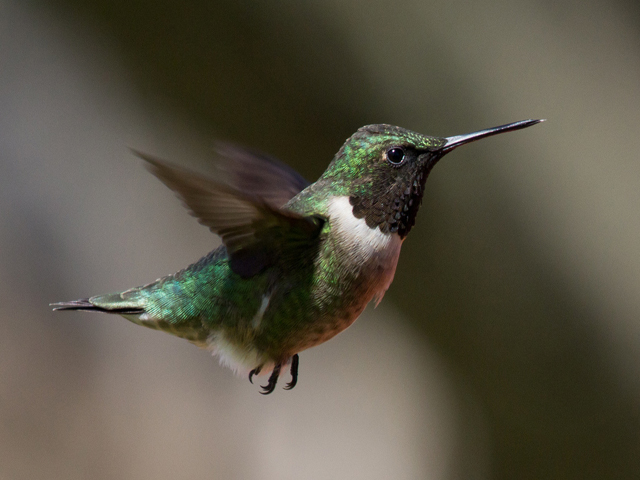
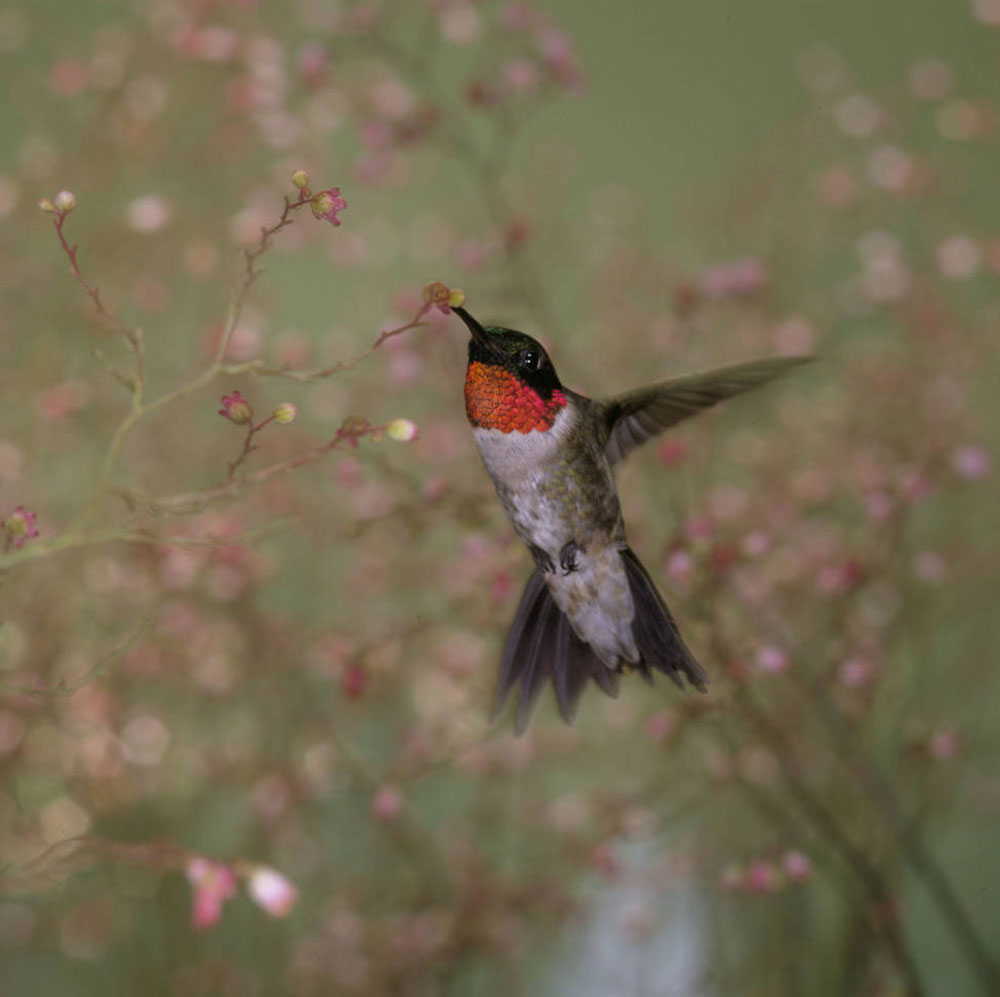
These brilliant tiny precision flying creatures glitter like jewels in the full sun then vanish with a zip toward the next nectar source.
An adult ruby throated hummingbird may eat twice its body weight in food each day which it burns up with the high metabolism necessary to sustain its rapid wing beat and energetic movements.
Many people recognize them because they aren t afraid of the presence of humans.
They migrate and nest over a broad geographical range like generalists.
Hovering in front of a flower to sip nectar it beats its wings.
They mostly eat nectar and tiny insects like specialists but can branch out to take sap from sapsucker drill holes and can even eat willow catkins when a sudden cold snap makes other spring foods.
Ruby throated hummingbird archilochus colubris introduction.
It is by far the most common hummingbird seen east of the mississippi river in north america.
More than 300 species of hummingbirds are known to exist today and habitats range from tropical to temperate.
Humans might even consider them to be antisocial.
Hummingbirds evolved to display unique adaptations and anatomy allowing them to survive in several climates.
Ruby throated hummingbirds archilochus colubris like most hummingbird species demonstrate strong territorial behavior.
Adult male rthus arrive on their breeding grounds in spring and quickly establish non overlapping feeding territories from which they drive away intruders especially rival males.
The ruby throated hummingbird is a tiny creature in a big world so adapting to its environment is crucial for it s survival.