Cultivated on plantations in the tropics and subtropics especially in southeast asia and western africa it replaced the rubber plant in the early 20th century as the chief source of natural rubber it has soft wood.
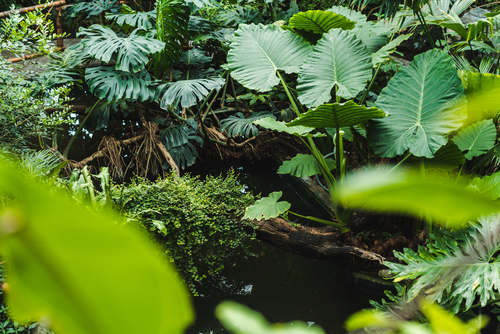
Rubber tree adaptations in the rainforest.
Rubber tree hevea brasiliensis south american tropical tree of the spurge family euphorbiaceae.
It can reach its full size in.
These trees are generally found in low altitude moist forests wetlands riparian zones forest gaps and disturbed areas.
It is a rapidly growing tree as are most trees in the tropical rainforest it can sprout 24 inches 60 cm or more each season if it is in the proper environment.
These are all adaptations that plants have made in order to thrive in the tropical rainforest environment.
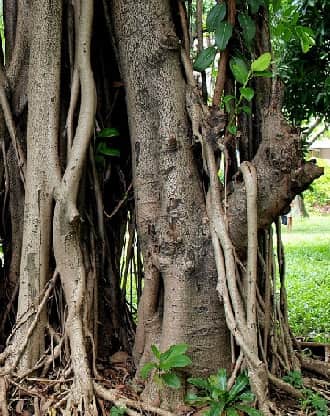
Tropical rainforest plants with a shallow rooted tree are often equipped with buttress roots.
If a rubber tree could talk it would say don t try to take me away.
Finally most rainforest tree bark is thin and smooth this is because it allows water to slide down easily.
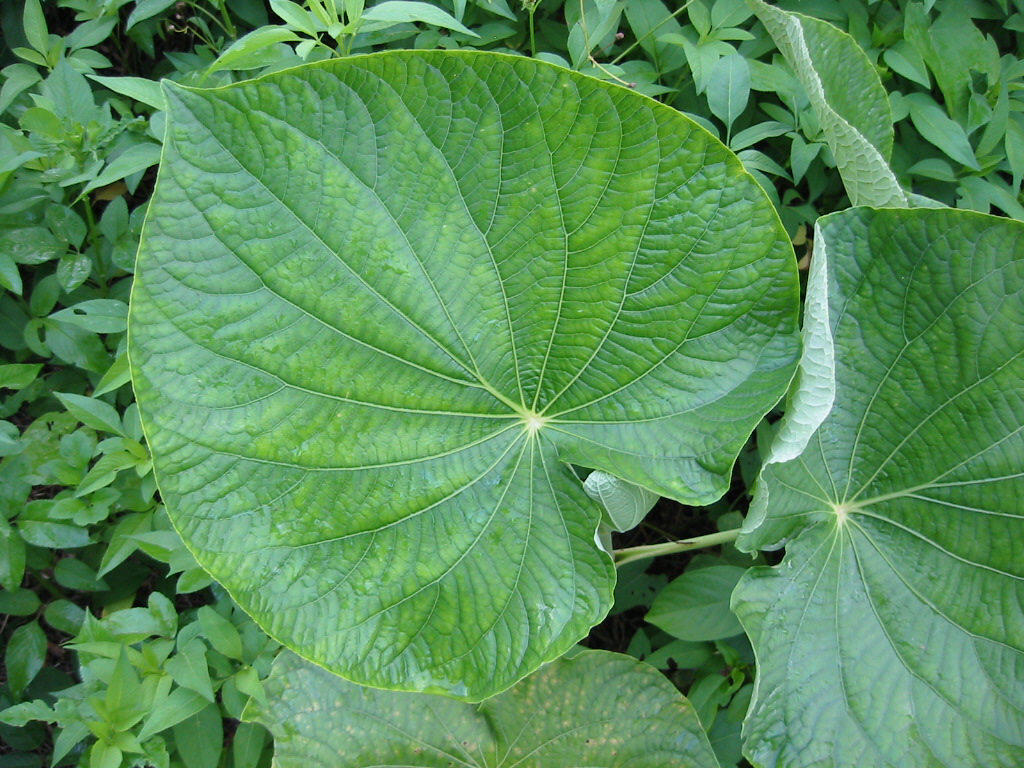
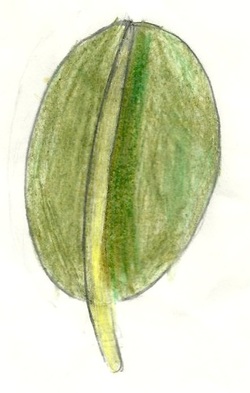
The leaves of the rubber tree are glossy oval shaped and dark green.
It is a quick growing tree often the first to establish itself when a gap in the canopy is.
An adaptation of a rubber tree is that it sheds its bark so as to absorb its nutrients when the bark decomposes in the soil around it.
In a rainforest it rains all year round but the heaviest rain falls between november and april.
Rubber trees are very happy in the rainforest.
These specializations have been mentioned below.
And a large area of bark.
As such plants growing here have special adaptations that allow them to grow and thrive in the tropical rainforest.
Hevea brasiliensis is a species of rubberwood that is native to rainforests in the amazon region of south america including brazil venezuela ecuador colombia peru and bolivia.